Urban fashion has long provided a platform for people to communicate their identities, cultural influences, and creative interests. Religious expression has introduced another dimension to this landscape, bringing biblical references into clothing commonly associated with contemporary city life. The emergence of Christian Streetwear demonstrates how spiritual convictions can coexist with modern silhouettes, expressive graphics, and relaxed styling. Understanding this fashion category requires looking at its cultural influences, visual characteristics, and the relationship between religious identity and the wider streetwear community.
The Cultural Roots of Streetwear
Streetwear draws influences from skateboarding, music, sports, and independent artistic communities. Its development challenged traditional fashion conventions by giving everyday garments greater cultural significance. Graphic shirts, hoodies, and relaxed outerwear became recognizable elements of this movement. Faith-based designers have adapted these familiar styles to introduce religious perspectives into urban clothing. Rather than abandoning established streetwear characteristics, they incorporate spiritual themes into existing fashion traditions. The result is a distinctive category that maintains its connection to contemporary culture while presenting a different set of values.
Graphics With a Different Purpose
Conventional streetwear frequently features brand logos, abstract artwork, or references to popular culture. Religious urban clothing introduces visual elements associated with biblical teachings and Christian identity. Illustrations may represent spiritual transformation, while typography can highlight scriptural references or declarations of belief. The graphic becomes part of the garment’s identity rather than merely an ornamental addition. This distinction influences the creative direction of faith-based collections, encouraging designers to consider how their artwork communicates specific concepts alongside maintaining a recognizable urban fashion aesthetic.
Faith Within Contemporary Youth Culture
Young adults frequently encounter fashion through music, digital communities, social gatherings, and creative spaces. Religious streetwear offers an alternative perspective within these environments without requiring an entirely separate dress culture. Familiar clothing styles make Christian messages accessible in settings where traditional religious imagery might be less common. This presence illustrates how spiritual identity can exist alongside contemporary interests. It also challenges the assumption that religious expression must follow a particular visual convention, allowing younger generations to participate in fashion on their own terms.
The Influence of Urban Silhouettes
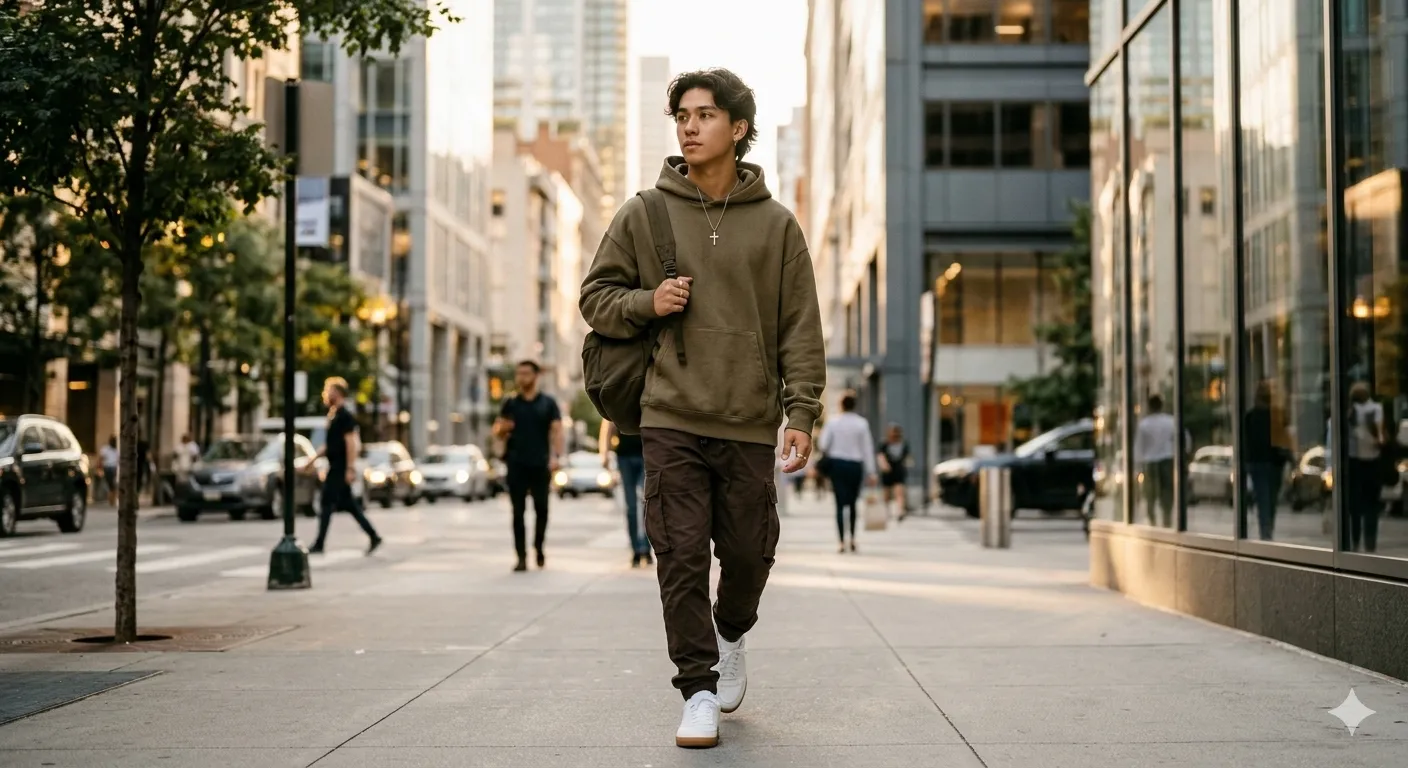
Recognizable garment shapes play an important role in distinguishing urban clothing from other fashion categories. Relaxed T-shirts, roomy sweatshirts, practical jackets, and casual headwear contribute to its characteristic appearance. These pieces provide a suitable foundation for expressive prints and distinctive lettering. Religious themes introduce another creative layer without fundamentally changing the garments themselves. A faith-inspired jacket can retain the visual qualities associated with conventional street fashion while presenting an entirely different artistic message. This combination helps establish the category’s recognizable design language.
Community Identity Through Shared Symbols
Fashion communities often develop recognizable symbols that communicate belonging among their members. Within Christian culture, biblical references and declarations of faith can perform a similar function. Individuals wearing related designs may recognize shared interests or beliefs without belonging to the same congregation. This sense of connection can extend across geographical and cultural boundaries. However, clothing does not determine the depth of someone’s religious commitment. Its role is primarily expressive, offering a visible connection to ideas that may already unite people through faith.
Moving Beyond Traditional Religious Merchandise
Religious merchandise has often been associated with commemorative shirts, church events, or inspirational souvenirs. Contemporary faith-based collections approach clothing from a broader fashion perspective. Garments are designed to function within ordinary social environments rather than exclusively during religious activities. Attention to graphic composition, color selection, and recognizable fashion influences gives these collections a distinct visual presence. This development expands the possibilities for religious apparel, positioning it as an independent creative category instead of limiting its relevance to particular celebrations or organized spiritual gatherings.
Independent Creativity in Fashion Markets
Independent clothing labels contribute variety to fashion markets by exploring perspectives that larger mainstream companies may overlook. Religious street fashion represents one example of this creative specialization. Designers working within this niche can develop collections around specific spiritual themes rather than relying exclusively on widely adopted commercial aesthetics. Their work introduces different narratives into contemporary clothing culture and gives consumers additional choices. The resulting diversity demonstrates how specialized fashion businesses can establish recognizable identities through artistic direction, cultural understanding, and consistent messaging.
Conclusion
The significance of religious urban fashion lies in its ability to introduce Christian perspectives into an established cultural movement. Its visual vocabulary combines familiar street fashion elements with artwork rooted in spiritual convictions. Independent labels such as Set Apart Apparel contribute to this evolving landscape through biblical graphics, contemporary garment styles, and purposeful creative direction. Exploring its collections offers a closer look at how faith influences modern clothing design and how religious perspectives can occupy a recognizable space within today’s fashion culture.